Caribbean yacht insurance: risks, coverage, and AI underwriting
The Caribbean Yacht Insurance Market
The Caribbean is one of the world's most active yacht cruising grounds, stretching from the Bahamas through the Lesser Antilles to Trinidad and Tobago. It is also one of the most complex insurance environments for pleasure and charter yacht operators. The combination of hurricane exposure, diverse flag state requirements, charter regulations, and shifting reinsurance conditions makes Caribbean yacht insurance a distinct specialty within the broader marine insurance market.
Yacht insurance coverage in the Caribbean is not standardized. Policies vary significantly between insurers in terms of hurricane provisions, navigation warranties, charter endorsements, and loss of use coverage. Understanding these differences — and how emerging AI underwriting tools are changing risk assessment — is essential for yacht owners and brokers operating in the region.
Hurricane Risk: The Defining Factor
Hurricane exposure is the dominant risk factor in Caribbean yacht insurance. The Atlantic hurricane season runs from June 1 through November 30, with peak activity from mid-August through mid-October. A single major hurricane — Andrew in 1992, Ivan in 2004, Irma in 2017 — can generate insurance losses across hundreds of yachts in a single event.
Caribbean marine insurance policies typically address hurricane risk through one or more of the following mechanisms:
Named storm exclusions: Some policies exclude losses caused by named tropical storms or hurricanes entirely during the hurricane season. These policies are cheaper but leave owners fully exposed during peak risk periods.
Hurricane haul-out requirements: Many policies require yachts to be hauled out of the water and stored ashore during the hurricane season, typically between June 1 and November 30. Coverage is maintained only if the vessel is in an approved storage facility south of 12.5°N latitude (below the typical hurricane track).
Safe harbor warranties: Some policies allow yachts to remain afloat during hurricane season if berthed in a recognized hurricane hole — a protected anchorage with documented wind protection. Coverage is contingent on following specific named storm procedures (removing sails, adding dock lines, deploying anchors) when storm warnings are issued.
All-season coverage: Full hurricane season coverage without haul-out requirements is available but commands significant premium loadings, particularly for yachts kept north of 12.5°N.
Navigation Warranties and Cruising Areas
Caribbean yacht insurance policies include navigation warranties that define the geographic area within which the vessel is covered. Common warranty structures include:
Ocean passages: Coverage for open-ocean passages between Caribbean islands is typically included but may require specific notification to the insurer before departure.
Extended cruising area: Some policies cover the entire Caribbean basin including the Gulf of Mexico, Bahamas, and Florida coasts. Others restrict coverage to specific island groups.
Transatlantic passages: Crossing to or from the US East Coast, Europe, or the Mediterranean typically requires separate ocean passage coverage or policy endorsements.
Breaching navigation warranties — sailing outside the covered area without endorsement — can void coverage entirely. Yacht owners should verify their policy's geographic limits before undertaking extended passages.
Charter Yacht Coverage
Yachts operated commercially for charter require specific Caribbean marine insurance provisions that differ materially from private pleasure craft coverage. Key considerations include:
Commercial use endorsement: Standard pleasure craft policies exclude commercial charter operations. Charter yachts require specific commercial use endorsements or dedicated charter yacht policies.
Passenger liability: Charter policies should include coverage for passenger injury claims. Jurisdictional variations across the Caribbean mean liability exposure can vary significantly depending on where an incident occurs.
Charter income protection: Loss of charter income during a repair period can be as damaging as the repair cost itself. Loss of hire or business interruption coverage is essential for charter operators.
Bareboat vs. crewed charter: Insurers assess bareboat charter (no crew provided) as higher risk than crewed charter. Qualifications of charterers, briefing procedures, and vessel handover protocols all affect insurability.
AI Underwriting in the Caribbean Context
Traditional Caribbean yacht insurance underwriting relies heavily on broker relationships, operator experience, and periodic surveys. For a regional market characterized by geographic dispersion, seasonal risk concentration, and a high proportion of non-resident vessel owners, this model has significant limitations.
AI-powered underwriting tools are particularly well suited to the Caribbean yacht market for several reasons:
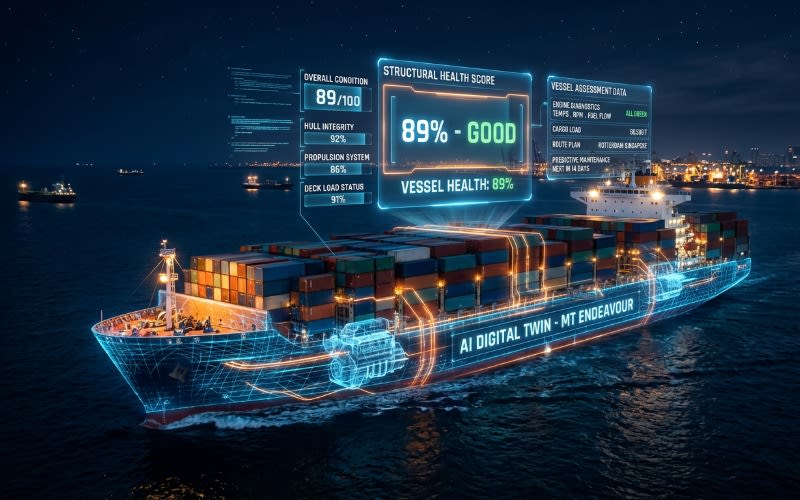
Remote inspection capability: Yacht owners scattered across dozens of islands can submit vessel imagery for automated condition assessment without waiting for a surveyor to arrive. Condition scores are generated from photographs in minutes.
Standardized hurricane preparation assessment: Automated checklists can verify that vessels meet the specific preparation requirements (haul-out confirmation, safe harbor documentation, named storm procedure records) that underpin Caribbean marine insurance coverage conditions.
Portfolio concentration analysis: AI tools can analyze geographic concentration of insured vessels in real time, alerting underwriters to emerging hurricane season exposures across their book before storm events occur.
The Caribbean yacht insurance market rewards insurers who combine deep regional knowledge with modern data infrastructure. Accurate, condition-based underwriting — rather than relationship-based judgment — is increasingly the differentiator between profitable and loss-making Caribbean marine portfolios.