How computer vision is revolutionizing hull damage detection in cargo ships
The Problem with Traditional Hull Inspection
For decades, marine hull inspection has relied on the same process: a surveyor boards the vessel, walks the deck, and documents what they see. The output is a PDF report — subjective, inconsistent, and typically weeks old by the time it reaches an underwriter's desk.
This matters because hull condition is the single largest factor in marine insurance risk assessment. A vessel with undetected corrosion, osmotic blistering, or structural fatigue represents millions in potential claims exposure. Yet the industry's inspection methodology has barely changed since the 1970s.
The numbers tell the story: 40% of marine insurance claims face documentation disputes. Not because the claims are fraudulent, but because the baseline condition data simply does not exist in a standardized, verifiable format.
How Computer Vision Changes the Equation
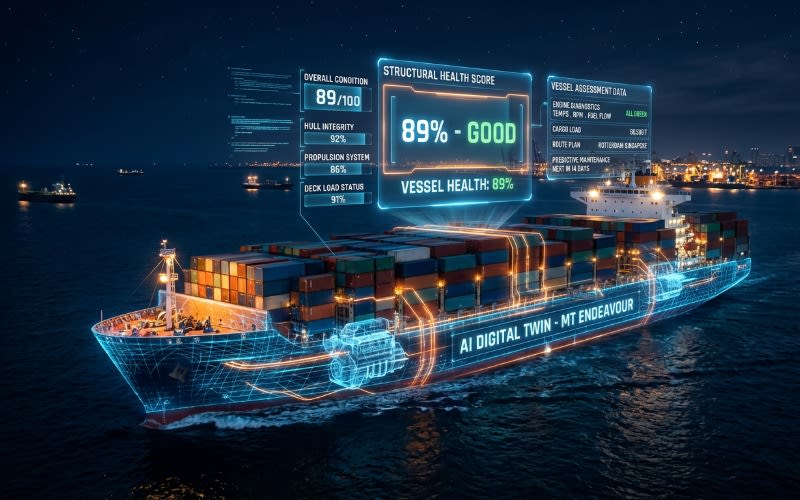
Computer vision applies the same pattern recognition capabilities that power autonomous vehicles and medical imaging to the problem of vessel inspection. The technology analyzes photographs of a vessel and identifies damage patterns that human inspectors might miss — or document inconsistently.
The process works in three stages:
Stage 1: Zone Mapping. The system identifies the vessel type and maps structural zones — hull below waterline, hull above waterline, deck, superstructure, fittings, and machinery spaces. Each zone has different damage patterns and risk implications.
Stage 2: Damage Detection. Within each zone, the AI analyzes for specific damage types: corrosion (surface and deep pitting), osmotic blistering, impact damage, coating failure, weld deterioration, and structural deformation. Each finding is classified by type, severity, and extent.
Stage 3: Structured Output. Unlike a traditional survey report, the output is structured data — machine-readable findings with severity ratings, confidence scores, and precise location mapping. This data feeds directly into condition scoring and underwriting systems.
Accuracy vs. Human Inspectors
The question insurers ask first: is it accurate? The evidence is compelling.
In controlled comparisons, AI-powered hull analysis detects 15-20% more surface-level damage than manual inspection. The reason is consistency, not intelligence. A human surveyor's attention varies with fatigue, weather conditions, access limitations, and time pressure. The algorithm applies the same detection criteria to every square meter of hull surface.
Where human expertise still wins is in contextual judgment — understanding whether a particular finding is structurally significant or cosmetic. This is why the most effective approach is hybrid: AI handles detection and classification, while deterministic rules handle risk assessment and compliance checking.
What This Means for Marine Insurance
The implications for the marine insurance value chain are structural:
For underwriters: Risk assessment based on verified, current vessel condition data instead of broker summaries and outdated survey reports. Premiums can reflect actual risk, not estimated risk.
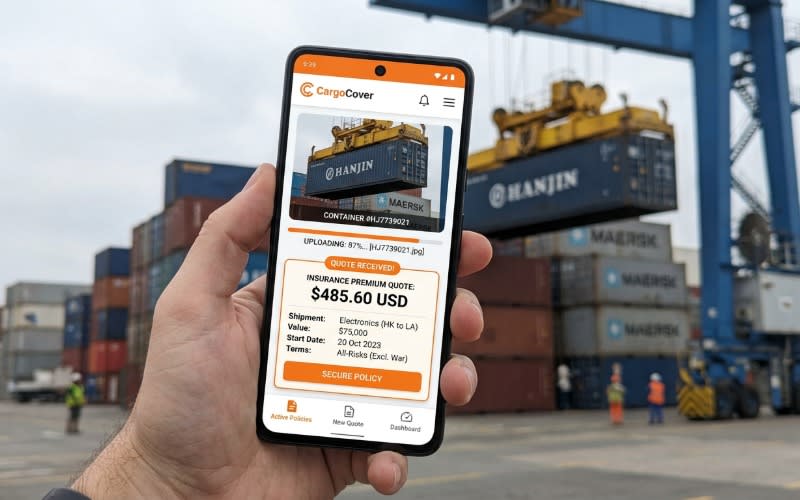
For brokers: Faster placement cycles. A structured vessel condition report accelerates the submission-to-quote process from weeks to days.
For vessel owners: Fair pricing based on actual vessel condition. Well-maintained vessels get the premiums they deserve.
For claims teams: Pre-loss baseline documentation that makes claims adjustment faster, fairer, and less adversarial.
The Bigger Picture
Hull damage detection is the entry point, not the destination. When vessel condition data is captured in a structured, standardized format, it becomes the foundation for an entirely new approach to marine underwriting — one where every decision is traceable, repeatable, and defensible.
The technology exists today. The question is not whether marine insurance will adopt computer vision for hull inspection, but how quickly the industry moves from pilots to production.