
General average explained: what every vessel owner needs to know
What Is General Average?
General average is a principle of maritime law that predates modern insurance by centuries. The concept is simple: when cargo or equipment is deliberately sacrificed to save a vessel and its remaining cargo, the loss is shared proportionally among all parties with a financial interest in the voyage.
If a captain orders containers thrown overboard during a storm to prevent the ship from capsizing, every cargo owner on board — not just the owner of the jettisoned containers — contributes to the loss. The contribution is calculated in proportion to the value of each party's interest in the voyage.
When General Average Is Declared
General average is declared when three conditions are met:
- **The sacrifice must be voluntary.** Accidental losses do not qualify. The captain must make a deliberate decision to sacrifice property for the common good.
- **The sacrifice must be necessary.** There must be a genuine peril to the vessel and cargo. Jettisoning cargo for convenience does not qualify.
- **The sacrifice must benefit the common venture.** The action must succeed in preserving the vessel and remaining cargo.
In practice, general average is declared by the vessel owner, and an average adjuster is appointed to calculate how the loss is apportioned among all parties.
How Contributions Are Calculated
An average adjuster calculates each party's contribution based on the value of their interest in the voyage at the destination port. If a vessel carries cargo from 50 different shippers, each shipper contributes in proportion to the value of their cargo relative to the total value of all cargo plus the vessel itself.
Example: A vessel worth $10 million carries cargo worth $40 million total. If $2 million in cargo is jettisoned, the total loss ($2 million) is shared across the $50 million total interest. Each party pays 4% of their interest value. A shipper with $1 million in cargo contributes $40,000.
Why This Matters for Insurance
Without marine cargo insurance, a shipper whose cargo survived a general average event still owes a contribution — potentially hundreds of thousands of dollars. Marine cargo insurance covers general average contributions, making it essential even for shippers who believe their cargo faces minimal direct risk.
Key implications:
For vessel owners: General average declarations trigger complex claims processes. Having timestamped condition baselines before and after the event accelerates settlement and reduces disputes.
For cargo owners: Marine cargo insurance is not optional if you ship by sea. Even if your specific cargo is never damaged, a general average declaration makes you liable for a share of someone else's loss.
For insurers: General average claims involve multiple parties, jurisdictions, and adjusters. Structured data and automated documentation reduce the administrative burden significantly.
The Modern Challenge
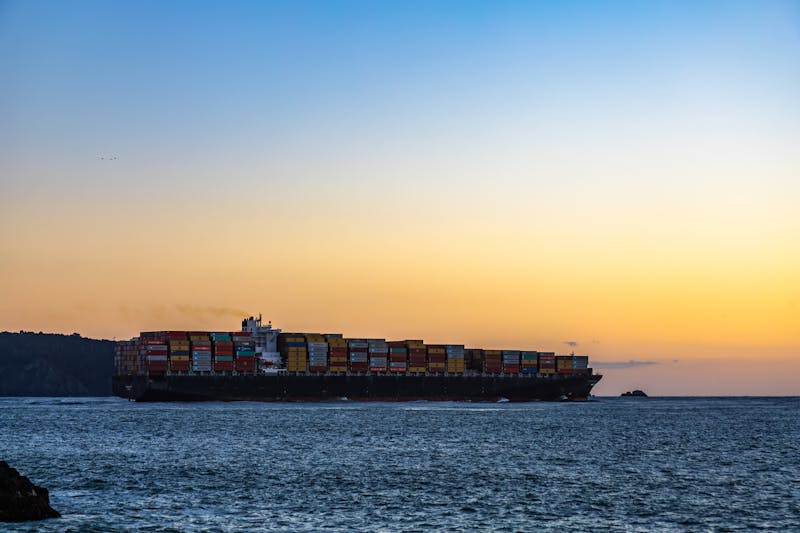
General average events have become more complex as vessels have grown larger. A modern container ship carries cargo for thousands of shippers across dozens of countries. Calculating and collecting contributions from all parties can take years.
The Ever Given grounding in the Suez Canal in 2021 resulted in one of the largest general average declarations in history. The vessel was carrying over 18,000 containers from thousands of cargo interests. The adjustment process involved calculating contributions for each individual shipment.
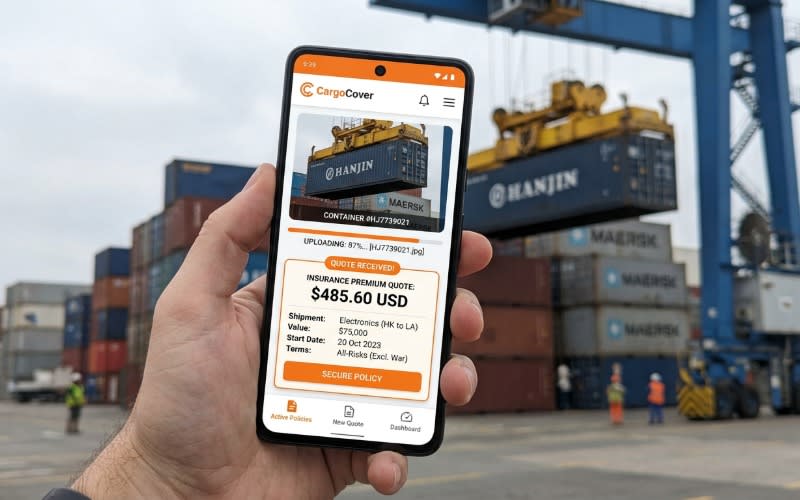
Technology that captures vessel condition data in structured, timestamped formats before a voyage begins can dramatically simplify the general average adjustment process — reducing disputes, accelerating settlements, and providing the evidentiary foundation that all parties need.