The marine insurance claims process: from incident to settlement
When a Claim Begins
A marine insurance claim begins the moment an incident occurs — collision, grounding, machinery failure, fire, or weather damage. The vessel operator must notify their insurer or broker immediately and take reasonable steps to prevent further loss.
Prompt notification matters. Delayed reporting can complicate the claims process and, in some cases, provide grounds for insurers to dispute coverage. Most marine policies require notification within a specified timeframe, typically 24 to 72 hours.
The Claims Process Step by Step
Step 1: Incident notification. The vessel operator contacts their broker or insurer. Initial information includes: nature of the incident, date and location, estimated severity, and immediate actions taken.
Step 2: Survey appointment. The insurer appoints a surveyor to assess the damage. This may be a classification society surveyor, an independent marine surveyor, or the insurer's in-house expert. Survey timing depends on the vessel's location and the incident severity.
Step 3: Damage assessment. The surveyor inspects the vessel, documents damage, and estimates repair costs. This is where the traditional process often breaks down — survey reports are narrative, subjective, and inconsistent between surveyors.
Step 4: Cause determination. The insurer determines whether the damage falls within the policy's covered perils. Not all damage is covered. Pre-existing conditions, wear and tear, and excluded perils can reduce or void the claim.
Step 5: Repair authorization. Once the claim is accepted, the insurer authorizes repairs. The vessel operator typically obtains competitive repair quotes. The insurer may require repairs at specific yards or by approved contractors.
Step 6: Settlement. After repairs are completed and invoiced, the insurer calculates the settlement amount — repair costs minus the deductible, adjusted for any depreciation, betterment, or coverage limitations.
Why Claims Take So Long
The average marine insurance claim takes 6 to 18 months from incident to settlement. Major claims can take years. The delays come from three sources:
Evidence gaps. Without pre-loss baseline documentation, every claim becomes a dispute about the vessel's condition before the incident. Was that corrosion pre-existing? Was the machinery already worn? Without structured condition data, these questions are difficult to resolve.
Multi-party coordination. Marine claims often involve multiple parties — vessel owner, insurer, reinsurer, classification society, repair yard, and potentially cargo interests. Coordinating between all parties adds time at every stage.
Documentation quality. Narrative survey reports are open to interpretation. Two experts reviewing the same report may reach different conclusions about damage severity and repair requirements. Disputes over documentation consume months.
How Technology Accelerates Settlement
The biggest opportunity in marine claims is not faster processing — it is better data at every stage:
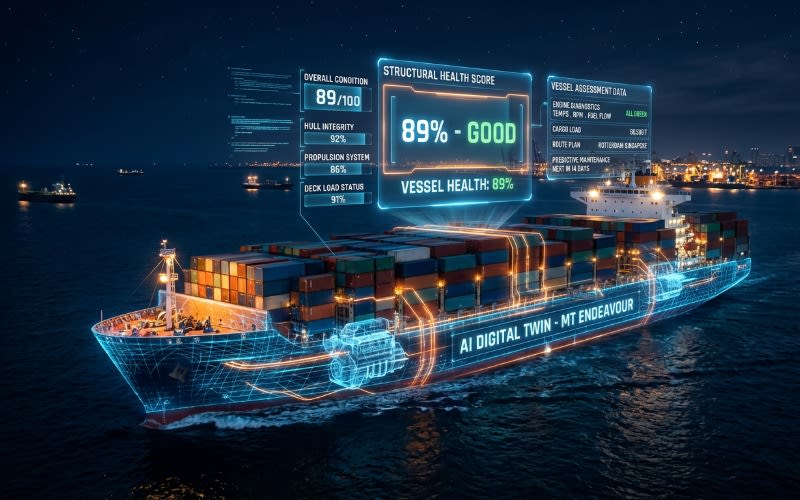
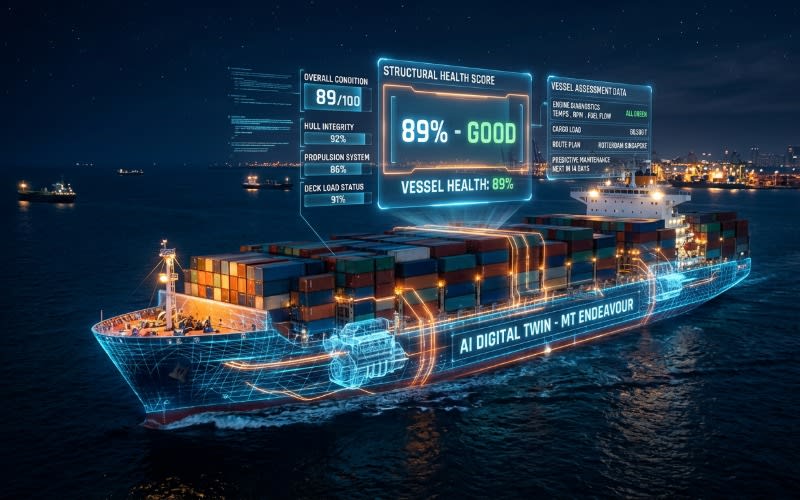
Pre-loss baselines. When a vessel's condition is documented in structured, timestamped format at the point of binding, the pre/post comparison becomes objective. There is no dispute about pre-existing conditions when both parties have access to the same baseline data.
Automated damage comparison. Computer vision can compare post-incident imagery against stored baselines, identifying new damage and distinguishing it from pre-existing conditions. This reduces the subjectivity in damage assessment.
Structured repair estimates. When damage is classified and quantified in structured format, repair cost estimation becomes more consistent. Repair yards can quote against specific, documented findings instead of interpreting narrative descriptions.
Evidence packaging. Instead of assembling claims documentation manually, an automated system generates a complete evidence package — timestamped condition data, damage comparison, applicable standards, and repair estimates — in a format that all parties can review.
Best Practices for Vessel Operators
Vessel operators can significantly improve their claims experience by:
- **Documenting condition at bind.** Establish a structured condition baseline when the policy begins. This is the single most impactful step for accelerating future claims.
- **Maintaining inspection records.** Regular condition documentation creates a timeline that supports claims and demonstrates maintenance diligence.
- **Notifying promptly.** Contact your broker or insurer within hours of an incident, not days.
- **Preserving evidence.** Photograph damage immediately. Do not begin repairs before the surveyor inspects unless necessary to prevent further loss.
- **Understanding your coverage.** Know what your policy covers and what it excludes before an incident occurs.
The marine insurance claims process is being transformed by technology — but the fundamentals remain the same. Document thoroughly, report promptly, and maintain your vessel. The data will take care of the rest.